
Lakshya Sen Battles Past Chi Yu Jen to Reach Japan Masters Round of 16
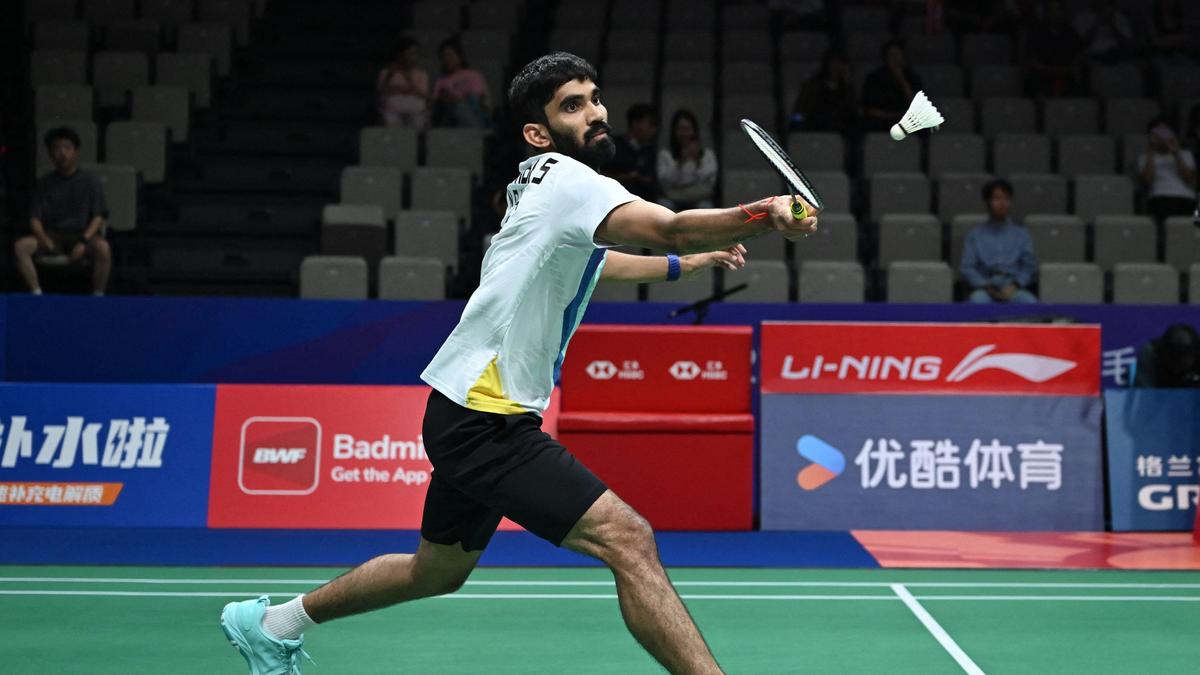
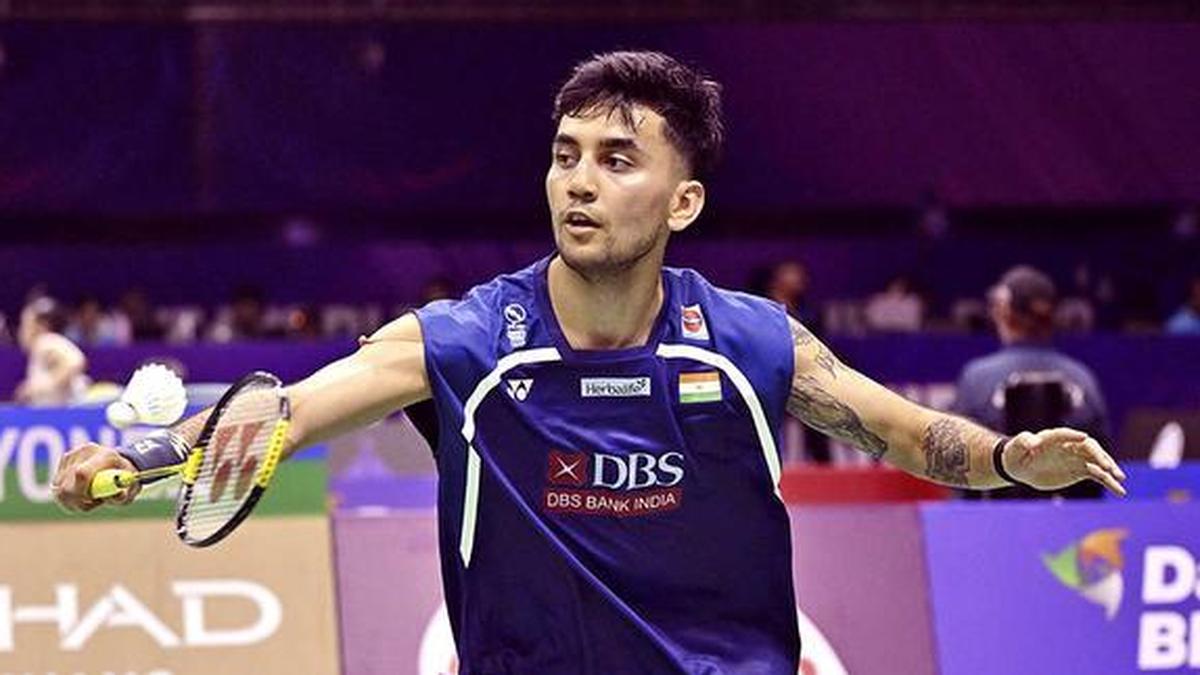
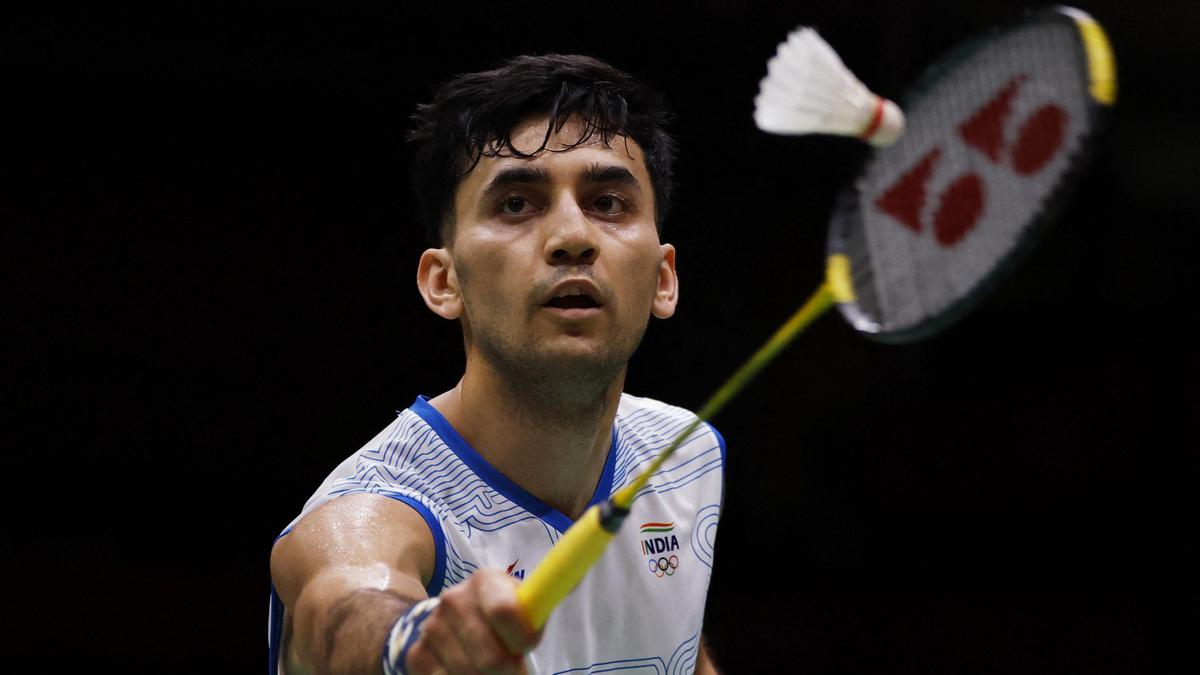
India’s Lakshya Sen produced a determined performance to defeat Chinese Taipei’s Chi Yu Jen 21-19, 21-18 in the men’s singles Round of 32 at the Japan Masters on Wednesday. The straight-games victory marked a successful return to competition for the Indian badminton star, who had not played since winning the Hylo Open in Germany earlier this month.
Sen’s route to the next round was far from straightforward. He had to recover from a four-point deficit in the opening game and withstand sustained pressure in the second, relying on disciplined defence, sharp movement and patience in the rallies. The result also moved him ahead 2-1 in his head-to-head record against Yu Jen.
Sen rallies from behind in a tense opening game
The first game developed into a close contest, with both players looking to take control through fast exchanges and attacks aimed at the backcourt. At 10-10, neither was prepared to give ground. Sen and Yu Jen traded high-tempo drives, testing each other’s defensive positioning and forcing quick reactions across the court.
Yu Jen began to create separation as the game progressed, and Sen found himself trailing 12-16. The Indian responded by staying composed rather than rushing to finish points. He worked to extend the rallies, used his reach to retrieve difficult shots and waited for opportunities to turn defence into attack.
That approach gradually shifted the momentum. Sen closed the gap with a series of determined exchanges, while Yu Jen came under increasing pressure to find winners. Sen’s ability to keep the shuttle in play helped draw errors from his opponent, and the Indian eventually edged the game 21-19.
Winning such a tight opener was significant. It gave Sen a reward for his persistence and forced Yu Jen to reset after letting a four-point advantage slip. In a match decided by small margins, the first game also gave the Indian a platform to build on.
Strong movement helps Sen withstand second-game pressure
Sen carried his composure into the second game and moved into an early 6-4 lead. Yu Jen, however, continued to attack and made the rallies increasingly demanding. The Chinese Taipei shuttler looked for ways to disrupt Sen’s rhythm, sending the Indian into long exchanges and trying to make him defend from difficult positions.
Sen’s court coverage proved central to his success. His deep lunges and quick recovery steps allowed him to reach shots that appeared to be beyond his range. Rather than allowing Yu Jen to end points quickly, Sen repeatedly returned the shuttle and made his opponent work for every opening.
The longer rallies became a test of patience and physical endurance. Sen kept his shot selection measured, while Yu Jen was required to maintain a high level of precision under pressure. As the game wore on, the Indian’s defensive consistency helped turn the contest into a battle of attrition.
Yu Jen continued to resist, but Sen managed the closing stages with the same calmness that had helped him recover in the first game. He secured the second 21-18, completing the win in straight games and booking his place in the Round of 16.
Next challenge: China’s Dong Tianyao
Sen will face China’s Dong Tianyao on Thursday for a place in the quarter-finals. The Round of 16 meeting will present another test of Sen’s movement and control, particularly if Dong can force him into extended rallies. Sen’s performance against Yu Jen showed that he is comfortable absorbing pressure, but advancing further will require him to maintain that discipline while making the most of his attacking chances.
The Japan Masters is Sen’s first tournament appearance since his Hylo Open title in Germany. Returning to competition after a successful week on the circuit can bring both confidence and a fresh challenge: opponents are likely to study a player’s recent form, while the demands of a new event require quick adaptation to conditions and match tempo.
Against Yu Jen, Sen showed the value of staying patient when a match begins to turn against him. His comeback from 12-16 in the opening game was not built on a sudden burst of risk-taking, but on consistent retrieval, smart rally construction and pressure that eventually unsettled his opponent. Those qualities could be important as the tournament moves into its later rounds.
Indian mixed doubles pairs exit in the opening round
India’s mixed doubles campaign at the Japan Masters ended in the Round of 32 after both national pairs were eliminated. Dhruv Rawat and Maneesha K lost to Taiwan’s Ye Hong Wei and Nicole Gonzales Chan in three games, 16-21, 21-14, 21-14.
Rawat and Maneesha recovered from losing the opening game to take the second and level the match. Their opponents, however, regained control in the deciding game and closed out the contest to advance.
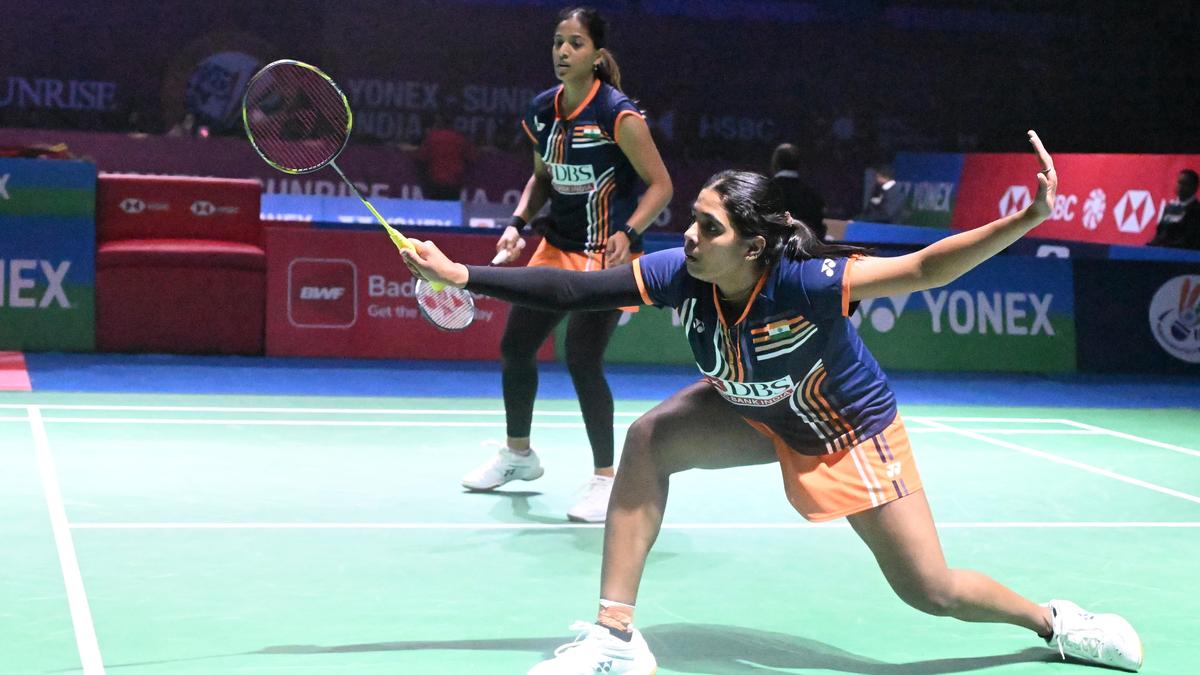
Hariharan Amsakarunan and Tanisha Crasto also faced a difficult first-round assignment, going down 7-21, 9-21 to China’s Jiang Zhen Bang and Wei Ya Xin. The defeat brought their Japan Masters campaign to an end, leaving Sen as India’s remaining singles focus in the tournament.
For Indian badminton supporters, Sen’s progress offers a positive result from Wednesday’s action. His straight-games win came through resilience as much as shot-making, with strong footwork and sustained defence helping him overcome a dangerous opponent. He will now look to carry that form into Thursday’s clash with Dong Tianyao and continue his run at the Japan Masters.