
Manchester City Face Hostile Anfield Reception After Premier League Verdict
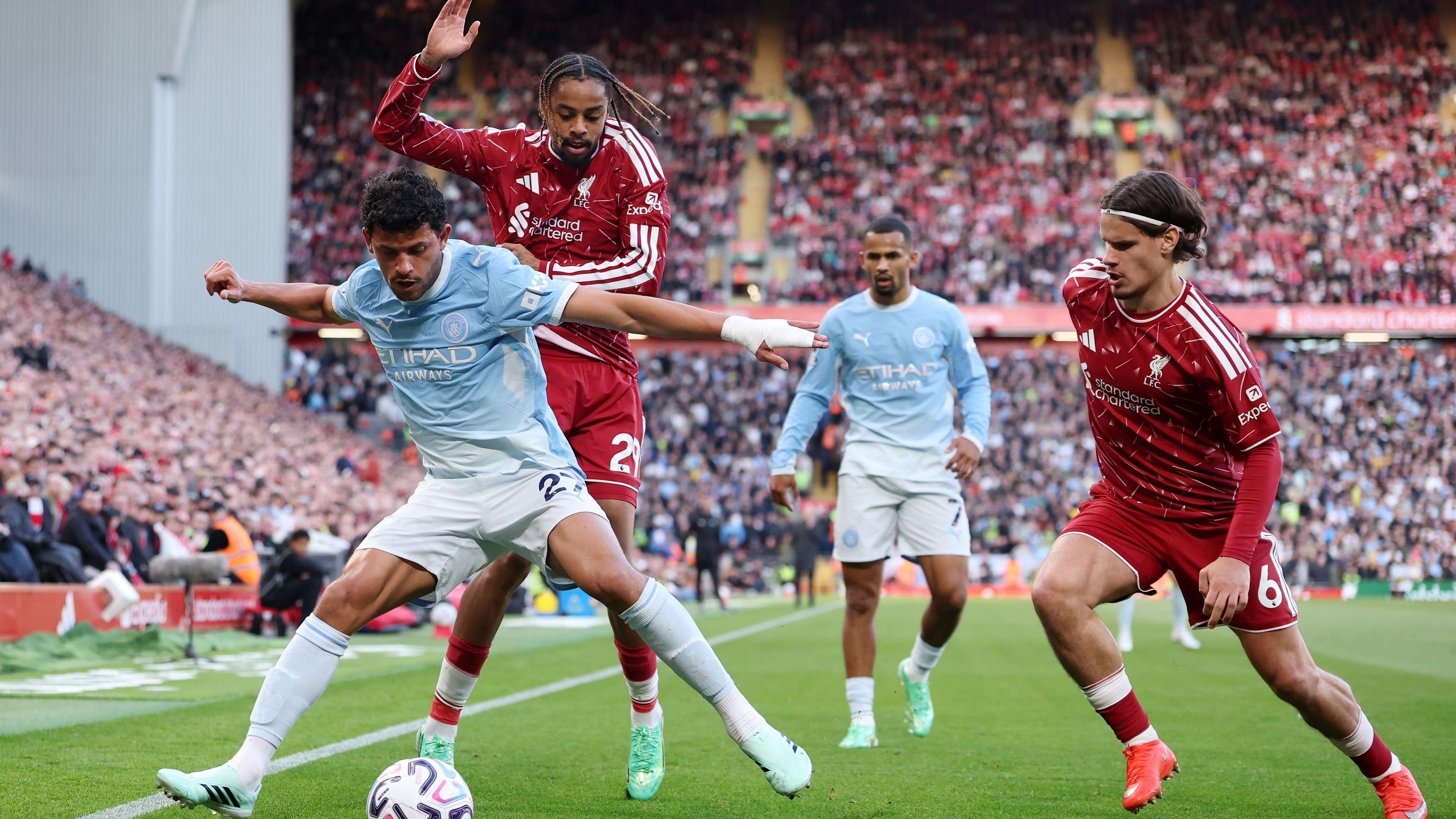
Manchester City were met with a fierce reception at Anfield as Liverpool supporters made their anger unmistakable following a Premier League ruling against the reigning champions. The noise began before kick-off and continued throughout the early stages, turning City’s first match since the verdict into a highly charged occasion.
According to the original report, City had been found guilty of more than 100 alleged breaches of the Premier League’s financial rules, relating to a nine-season period. The decision followed an investigation that had lasted four years and was announced during the international break. With no club football taking place at the time, rival fans initially had little opportunity to express their reaction directly to City’s players. Anfield provided that opportunity.
From the team bus to the warm-up, the tension builds
City’s journey to the stadium was reportedly adjusted to avoid the largest crowds gathered around Anfield. But the detour could not shield the squad from the atmosphere inside the ground. As the players stepped out for their pre-match warm-up, Liverpool fans greeted them with sustained boos. The reaction intensified once the match began, with City players drawing jeers whenever they touched the ball during the opening exchanges.
The hostility was not limited to the stands. Outside the stadium, street vendors sold Oasis-inspired shirts and flags bearing the word “cheats,” while banners inside Anfield criticised Manchester City over the Premier League case. The displays reflected the wider debate surrounding the ruling and the frustration felt by supporters of clubs competing with City for trophies and league positions.
For Liverpool fans, the fixture carried a sporting significance of its own. Matches between the two sides have often shaped the Premier League title race, with their meetings watched closely by supporters across the country. That history gave the occasion an added edge: the crowd’s response was directed at the financial controversy, but it unfolded during a contest between two major rivals on the pitch.
Why the Premier League case has drawn such strong reactions
Financial regulations are intended to help ensure that clubs operate within agreed limits and that competition remains sustainable. Allegations involving a large number of potential breaches naturally attract attention because of the questions they raise about transparency, governance and the balance of power in football. For rival supporters, the case also touches on a more immediate concern: whether every club has competed under the same rules.
It is important, however, to distinguish a ruling or finding from the final outcome of any subsequent process. A complex case can involve formal responses, legal arguments and possible appeals, depending on the procedures available. The Premier League’s decision therefore sits within a broader process, and the consequences for City should not be treated as settled until the relevant stages are complete.
That uncertainty has not stopped the debate from spilling into matchday culture. Football crowds often use chants, banners and visual displays to communicate views that go beyond the action on the field. At Anfield, the booing and merchandise turned a legal and regulatory story into a vivid stadium spectacle—one that was impossible for the players or television audience to ignore.
The sporting challenge for Manchester City
For City, the immediate task was to focus on the game while playing in an unusually hostile environment. A crowd’s reaction can influence the rhythm of a match, particularly in the opening minutes, when visiting players are trying to settle into their passing patterns. Every touch being met with noise can add pressure, although experienced teams are generally expected to stay composed and avoid allowing the atmosphere to dictate their decisions.
That makes the fixture interesting from a football prediction perspective as well as a news perspective. Anfield is known for its intensity, and Liverpool’s home support can give the hosts a strong emotional lift. At the same time, City’s quality and experience mean that crowd pressure alone does not determine the result. Tactical discipline, control of possession, defensive concentration and the ability to respond to momentum swings remain more reliable indicators than the volume of the reception.
For analysts assessing the match, the key question is whether the controversy becomes a distraction or simply another challenge for City to manage. Liverpool could look to press aggressively and feed off the crowd’s energy, while City may seek to slow the tempo, retain possession and quieten the stadium. The opening phase is often crucial in such circumstances: an early goal or a series of confident passages can change the mood, while mistakes may intensify the pressure.
A rivalry shaped by more than one match
The scenes at Anfield illustrate how off-field disputes can become part of the atmosphere surrounding a major Premier League fixture. Supporters do not experience football in separate categories: sporting rivalry, club identity, financial fairness and league governance often overlap. When a high-profile case is announced, the next meeting between the clubs involved can become a focal point for all of those concerns.
City’s reception will likely remain part of the conversation around the Premier League investigation, but the case itself will be judged through formal procedures rather than stadium reaction. Meanwhile, Liverpool and City must continue competing on the pitch, where results, performances and tactical decisions will shape their campaigns. The Anfield crowd made its position clear; the wider football world will now watch for both the next developments in the case and the impact of the rivalry on the season ahead.