
Mustapha Badri Defends His Achraf Hakimi Ballon d’Or Vote Amid Claims of Pressure
Moroccan journalist Mustapha Badri has defended his decision to rank compatriot Achraf Hakimi first in the 2026 Ballon d’Or vote, saying he was contacted by people who tried to persuade him to support a different player. Badri says he resisted the requests, but his account has raised questions about lobbying and the independence of voting in one of football’s most prominent individual awards.
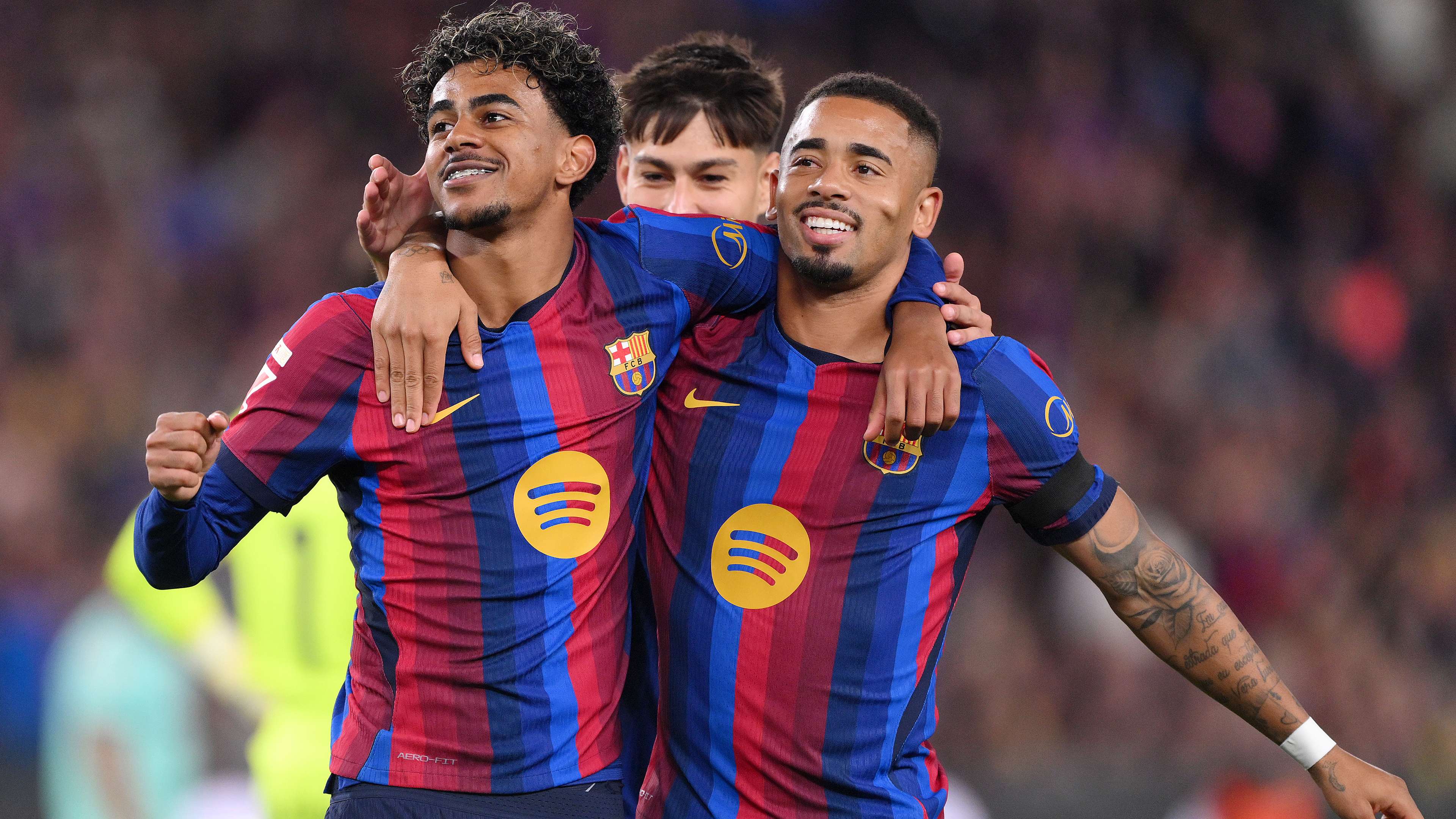
Badri was one of 100 journalists from around the world invited to submit rankings for the award. He was the only voter to place Paris Saint-Germain defender Hakimi at the top of his ballot. His choices for second and third were Kylian Mbappé and Lamine Yamal, matching the final order between those two players. Harry Kane, who finished narrowly ahead of Mbappé in the overall result, was sixth on Badri’s list.
Badri says he was urged to change his selection
Speaking to the Afrik Foot website on Saturday, Badri described receiving approaches shortly before finalising his vote. He said the people who contacted him wanted him to rank another player above Hakimi, but he declined to identify that player publicly.
“Some people contacted me to try to influence me and convince me to vote against Achraf Hakimi in favour of another player,” Badri said. He added that he did not give in to the requests, while warning that the episode pointed to efforts to shape decisions around the ballot.
Badri also suggested that the approaches were not necessarily isolated. In his view, groups may try to contact journalists and encourage them to support particular candidates. He described such activity as lobbying that can, at times, pull voting away from what he considers a strictly sporting assessment.
His comments do not establish who was behind the approaches or whether they were connected to a club, a player’s representatives, or another organisation. Badri has not named the people involved, and his account remains a personal description of what he experienced. Even so, the allegations have renewed attention on how high-profile football awards are decided and on the responsibility carried by voters.
Why Hakimi earned Badri’s top spot
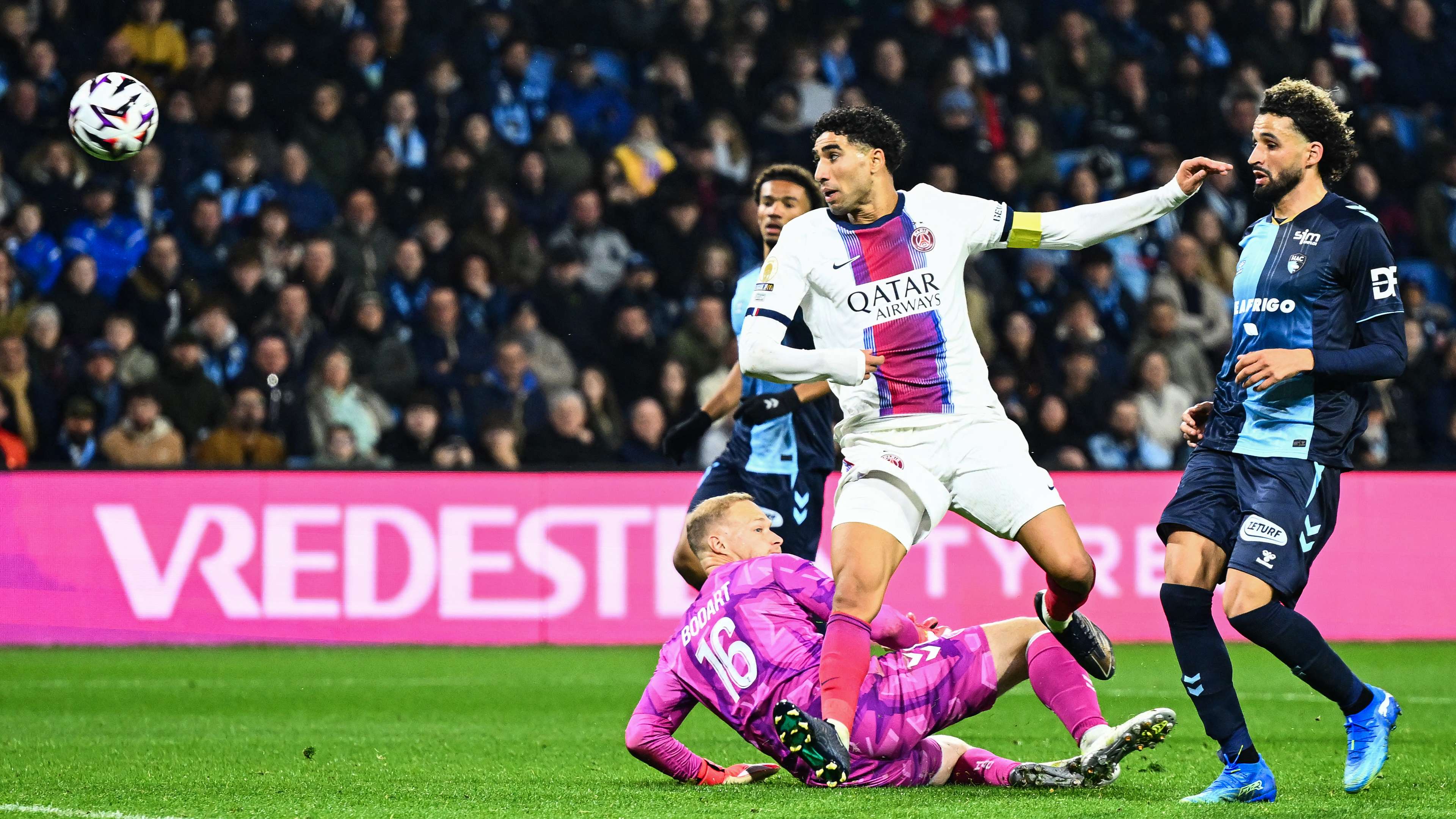
Badri’s vote was an emphatic endorsement of Hakimi’s all-round contribution. He described the Moroccan international as more than a conventional defender, pointing to his attacking ability, technical quality and influence in forward areas. That combination is central to Hakimi’s reputation: he can defend his flank, provide width, make overlapping runs and create danger near the opposition penalty area.
For voters weighing a season’s performances, a full-back can face a different challenge from a striker or attacking midfielder. Goals and assists are easy to highlight, while defensive positioning, recovery runs and the work required to protect a team’s shape can be less visible in headline statistics. Badri’s ranking suggests he believed Hakimi’s impact deserved to be judged across the entire pitch, rather than by attacking numbers alone.
Hakimi’s case also reflects the growing importance of modern full-backs in elite football. Coaches increasingly ask them to move into midfield, stretch the opposition or act as secondary attackers, depending on the match situation. Players who can switch between those roles offer tactical flexibility, and Hakimi’s profile fits that broader evolution of the position.
What the voting differences reveal
The gap between Badri’s ballot and the final ranking shows how subjective the Ballon d’Or process can be. A panel of 100 journalists may watch the same season yet reach different conclusions about what matters most: individual statistics, consistency, big-match performances, team success, positional difficulty or a player’s overall influence.
Badri’s ranking placed Hakimi first, followed by Mbappé and Yamal, while the final result had Kane just ahead of Mbappé. Such differences are not, by themselves, evidence of improper conduct. They do, however, underline why transparent rules and clear explanations of voting criteria matter to fans who follow the award closely.
Claims of outside pressure add another layer to that discussion. Journalists who cast votes are expected to make independent assessments, and any attempt to steer their choices can undermine confidence in the process—even when it does not change the final outcome. A robust voting system depends not only on the number of voters but also on their ability to make decisions without intimidation, inducements or coordinated campaigning.
Ballon d’Or prediction and the wider debate
Ballon d’Or prediction is a major part of the football conversation every year, with supporters comparing form, trophies and standout performances long before the winner is announced. But a prediction is different from a vote: predictions reflect expectations, while ballots formally shape the result. Badri’s account highlights how much weight rests with individual voters and why their reasoning attracts scrutiny.
His public defence of Hakimi also gives supporters a clearer view of the criteria behind his choice. Rather than presenting the Moroccan as a surprising pick for its own sake, Badri pointed to the defender’s technical ability and attacking threat as reasons he deserved to finish first. Whether other voters shared that interpretation is a matter of football judgment, but his explanation places the debate on the player’s contribution rather than simply the final standings.
For now, Badri has stood by his decision and has not disclosed the identity of the player he was allegedly encouraged to favour. His claims are likely to fuel further discussion about lobbying around major awards, while Hakimi’s place among the leading names keeps the focus on how defenders are evaluated in modern football. The episode is a reminder that behind every Ballon d’Or result lies a collection of individual judgments—and that confidence in those judgments depends on the independence of the people making them.