
Harry Kane Edges Kylian Mbappé and Lamine Yamal in 2026 Ballon d’Or Prediction
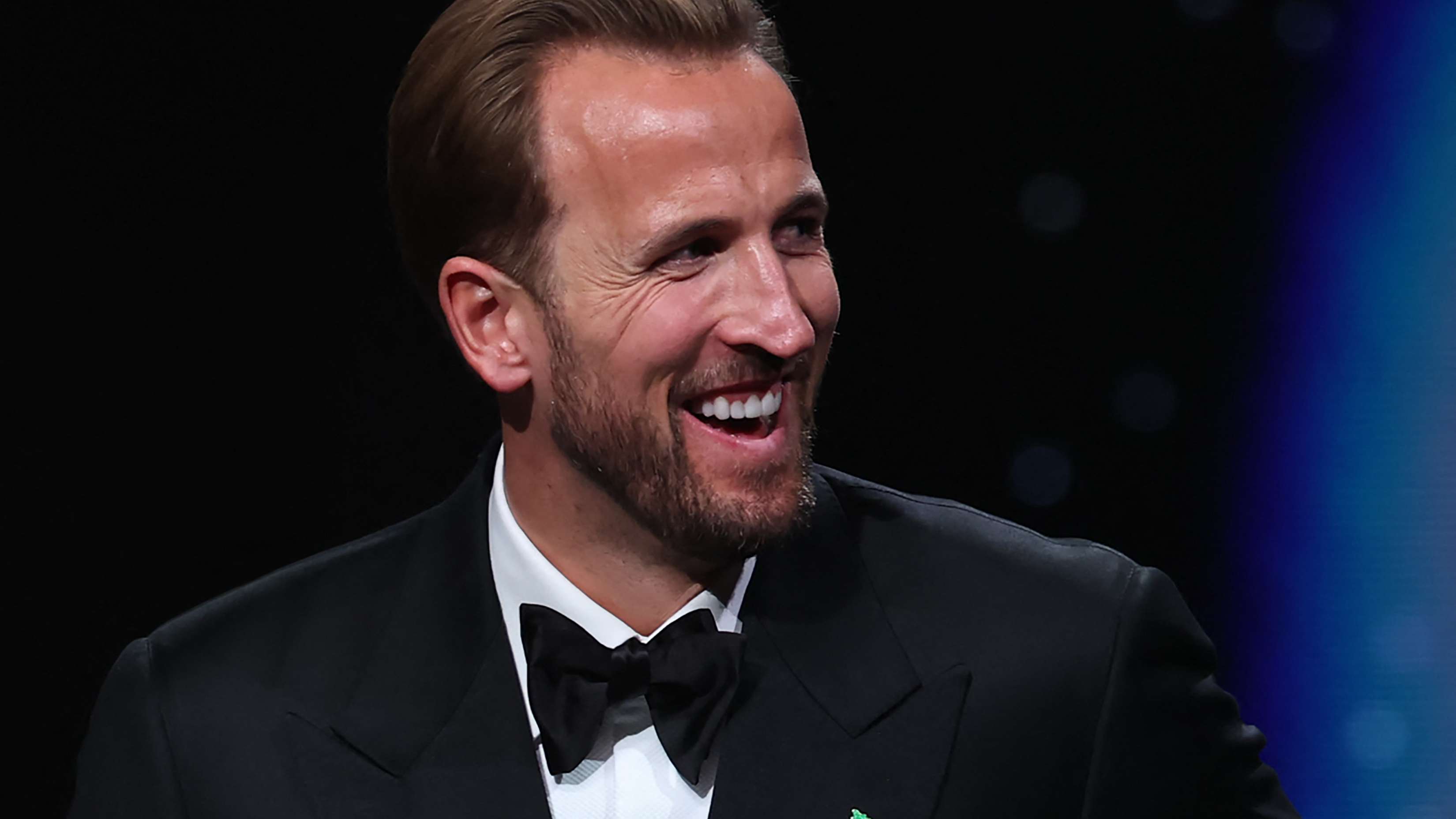
Harry Kane has reportedly won the closest race for the 2026 Ballon d’Or, finishing just ahead of Kylian Mbappé and Lamine Yamal. The official results have yet to be released, but ballots attributed to members of the international voting jury are beginning to surface online—and they reveal how sharply opinions differed over the season’s top footballer.
Some journalists placed Kane at the top of their rankings, while others left the Bayern Munich striker outside their leading five. One voter has since admitted that his assessment was a mistake, offering a glimpse into the difficult judgment behind the prestigious individual award.
A surprising ballot—and a public change of heart
Croatian journalist Zdravko Reić, a member of the Ballon d’Or jury since 1992, submitted one of the most striking ballots to emerge so far. He ranked Kane sixth, awarding the England captain five points out of a possible 15. Spain’s Rodri led Reić’s list, followed by Erling Haaland, Lionel Messi, Ferran Torres and Mbappé.
After the ballot attracted attention, Reić acknowledged that he had underestimated Kane. In an interview with Croatian outlet Večernji list, he reportedly said he had made a mistake by placing the striker so low. The admission reflects how difficult it can be to compare players whose strongest performances came in different competitions and at different points in the year.
Reić explained that the World Cup had influenced his choices. The tournament’s high-profile matches and national-team storylines, he said, led him to give extra weight to players who stood out on the international stage, rather than focusing as heavily on their club form across the full season.
Why the World Cup shaped the Ballon d’Or debate
The World Cup can have an outsized effect on awards discussions because it brings together the best players in a concentrated, globally watched competition. A decisive goal or standout run can remain fresh in voters’ minds long after the tournament ends. That influence can complicate a Ballon d’Or prediction, particularly when a player’s club performances have been more consistent than his international campaign—or vice versa.
Rodri was central to Spain’s success, while Haaland, Messi and Mbappé also produced memorable moments for their national teams. Ferran Torres scored the decisive goal in the final against Argentina, strengthening his case in Reić’s ranking. Kane, however, also had a major tournament: he reportedly scored six goals and supplied an assist as England reached the semi-finals in the United States, Canada and Mexico.
That record makes his sixth-place position especially notable. It suggests that even a strong World Cup performance may not guarantee a high ranking when voters weigh the tournament differently or prioritize other candidates’ achievements. The final outcome will depend on the complete set of ballots, not on any single journalist’s choices.
Journalists’ rankings reveal a divided field
Reić was not the only voter to rank Kane outside the top group. Czech journalist Stanislav Hrabe reportedly placed him tenth, giving him one point. Hrabe’s top three consisted of Rodri, Mbappé and Messi. In Italy, Kane also missed the leading spots, with Mbappé, Rodri and Khvicha Kvaratskhelia occupying the top positions.
Other ballots were far more favourable to the Bayern forward. Kane reportedly topped the rankings submitted by journalists from Uzbekistan, Kosovo and Russia. He also finished among the top three in Ecuador and Vietnam. The contrast illustrates the international nature of the award: voters may share the same eligibility rules but reach very different conclusions about form, influence and the relative importance of club and national-team performances.
Ballot leaks are informative, but they do not provide a complete picture. A player can rank first on one ballot and much lower on another, with the points system rewarding consistent placement across the jury. As more votes emerge, the public can follow the changing prediction, but only the complete official tally will show exactly how the result was decided.
How the 2026 Ballon d’Or vote works
According to the information accompanying the emerging ballots, 100 journalists were eligible to vote, with one reporter representing each of the 100 highest-ranked nations in the FIFA world rankings. France Football selected the representatives, who submitted ranked lists of players. The points awarded for each position are then combined to determine the final standings.
The official result, including the full voting breakdown, is expected to appear in Saturday’s issue of France Football. Until then, individual ballots should be treated as reported selections rather than a substitute for the final announcement. The published tally will confirm whether Kane’s narrow reported lead over Mbappé and Yamal holds, and show how the rest of the contenders finished.
A close race with no universal consensus
Kane’s reported victory would mark a major individual milestone for the Bayern Munich striker, but the ballots already emerging show that his success was far from universally predicted. Some voters were persuaded by his goals and England’s progress; others favoured players such as Rodri, Mbappé, Messi or Kvaratskhelia. Reić’s apology adds a human detail to the story, highlighting how even experienced jurors can reassess their choices after reflecting on the season.
For football fans following the 2026 Ballon d’Or, the most compelling question is not simply who finished first, but what ultimately mattered most to voters: World Cup impact, club consistency, individual statistics or decisive performances in major matches. The official results will provide the answer—and offer a clearer explanation of how Kane reportedly edged a tightly contested field.