
Real Madrid’s Apology Has Not Ended the China Controversy Surrounding Mbappé
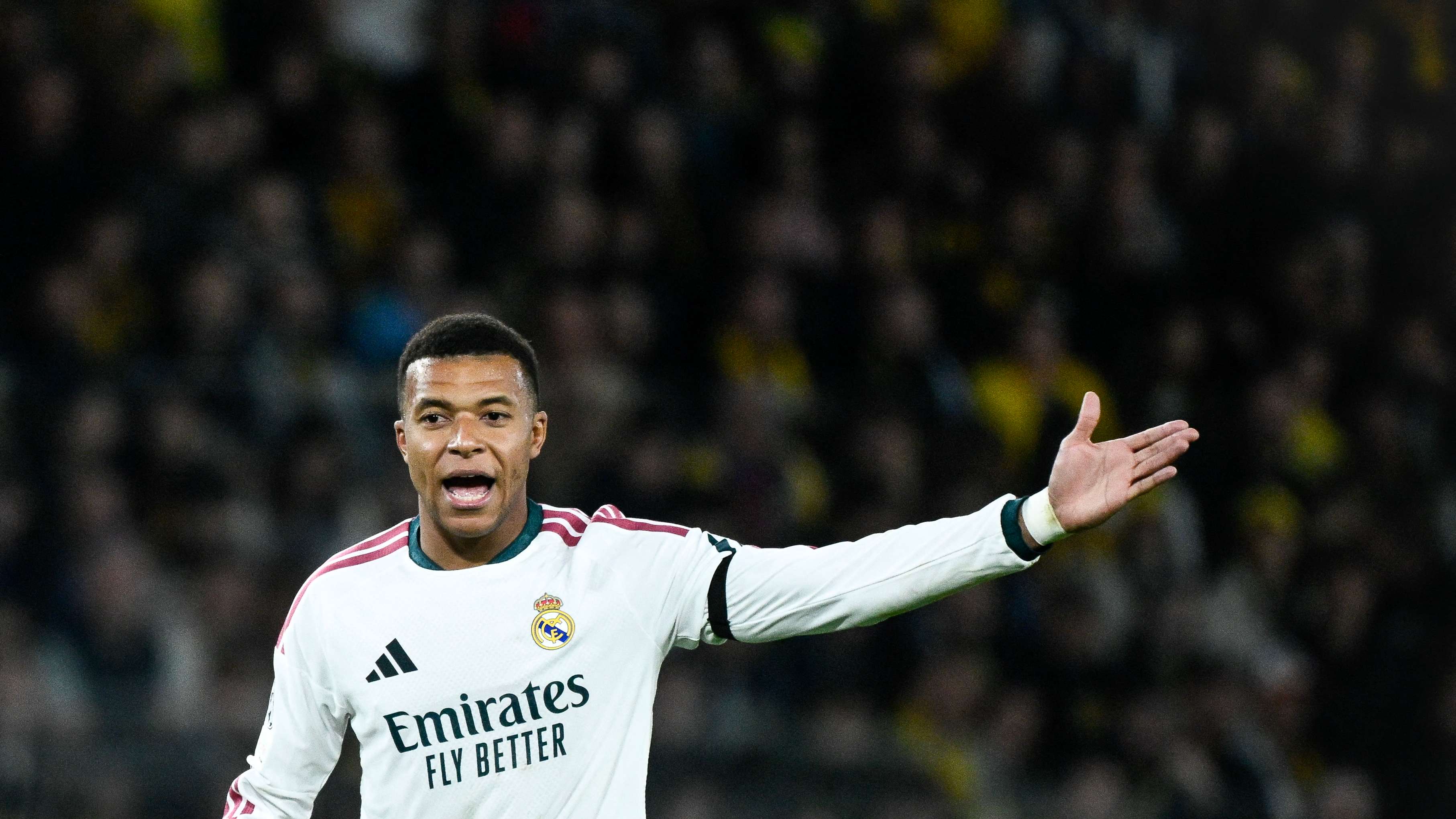
Kylian Mbappé’s controversial remarks about the late Chinese leader Mao Zedong continue to cast a shadow over Real Madrid’s relationship with China. The French forward has carried on scoring in a Madrid shirt, but the reaction off the pitch has proved harder to contain. Chinese broadcaster CCTV has suspended its coverage of La Liga, while officials and club representatives work to limit the damage to valuable sporting and commercial ties.
The dispute highlights how quickly a football controversy can extend beyond the stadium. In an era when clubs rely on international audiences, broadcast agreements and online communities, a player’s public comments can affect far more than their personal reputation. For Real Madrid and La Liga, the immediate challenge is not simply to issue an apology, but to rebuild trust in one of football’s most important markets.
Strong Form on the Pitch, Serious Pressure Behind the Scenes
Mbappé’s performances have continued to attract attention for sporting reasons. He scored twice against Racing Santander and twice against AEK Athens, delivering the kind of results that have made him one of the most closely watched players in world football. His goals have kept the focus on his contribution to the team, at least among supporters following Real Madrid’s matches.
Yet success on the pitch has done little to settle the wider dispute. CCTV’s decision to stop showing La Liga games has created an immediate problem for the Spanish league, which depends on international broadcasters to bring its competitions to viewers around the world. The suspension also sends a clear signal that the controversy has consequences beyond social media discussion.
Real Madrid moved quickly to apologise as criticism grew in China. The response was intended to ease public anger and protect the club’s relationship with its supporters. However, Mbappé’s accounts on Chinese social media platforms were reportedly banned, suggesting that the backlash has moved beyond a brief news cycle. Losing access to those platforms makes it harder for the player to communicate directly with local fans or respond to the criticism in a meaningful way.
Why the Chinese Market Matters to La Liga and Real Madrid
The commercial stakes are substantial. La Liga’s international broadcasting rights are reported to be worth around €900 million a year, making overseas markets an essential source of income for Spanish football. China is particularly significant because of its large audience, strong interest in European clubs and potential for long-term commercial growth.
Real Madrid’s popularity in the country is also considerable. The club is estimated to have roughly 97 million supporters in China, a vast fan base built over decades of success, famous players and extensive international outreach. That following represents more than television viewers: it can support merchandise sales, sponsorships, digital engagement and future partnerships.
This is why the response from Chinese audiences matters so much. A temporary pause in broadcasting can disrupt exposure for the league, while a longer-term loss of confidence could make it more difficult for clubs to maintain commercial momentum. Even if the sporting calendar continues, the relationship between a club and its international fans depends on more than match results. Public trust, cultural awareness and consistent communication all play a role.
Chinese Officials Call for Time and Mutual Understanding
There are signs that communication is under way, although they do not yet point to a quick resolution. China’s ambassador to Spain, Yao Jing, said he had been in contact with La Liga, Real Madrid and other parties. Speaking to Spanish news agency representatives on the sidelines of the Salamanca forum, he described the discussions as an exchange of views rather than formal negotiations.
According to remarks reported by the French outlet Foot Mercato, Yao said the incident had caused widespread resentment in China and that the situation needed to be accepted as it stood. He also expressed confidence that dialogue based on mutual respect could help the parties move beyond the dispute. His comments suggest that communication remains possible, but that rebuilding confidence will take more than a single statement.
Shi Tianyu, an official at the Chinese embassy in Spain, offered a more cautious assessment. He said the matter would require time because Chinese people needed an opportunity to process what had happened. He also stressed the particular significance of Real Madrid in China, describing it as a club with enormous popularity and a large fan base.
That popularity may help the club in the long run, but it should not be mistaken for an automatic solution. Supporters can feel a strong attachment to a team while also expecting it to recognise the seriousness of an issue that has caused public offence. The challenge for Real Madrid is to show that its apology is part of a sustained effort to address concerns, rather than a short-term response aimed only at protecting business interests.
What Happens Next? The Prediction for Real Madrid’s China Relationship
The most likely path forward is a gradual, carefully managed recovery rather than an immediate return to normal. Dialogue between the club, La Liga and Chinese representatives could help prevent further escalation, while time may allow public anger to ease. However, CCTV’s coverage decision and the reported restrictions on Mbappé’s social media accounts show that the effects are already visible.
For Real Madrid, the next steps will be important. The club may need to demonstrate cultural sensitivity, maintain open communication and avoid treating the controversy as resolved simply because the player continues to score. La Liga, meanwhile, has an interest in protecting its broadcast relationships and reassuring partners that it takes the concerns of international audiences seriously.
Mbappé’s footballing form could eventually help restore attention to his performances, but goals alone are unlikely to repair the damage. A credible recovery will depend on how the club handles the issue over time and whether Chinese supporters believe their concerns have been heard.
Real Madrid’s global reputation gives it a strong foundation, and its enormous Chinese following may help preserve the relationship. But the prediction remains uncertain: the crisis could fade with patient diplomacy, or leave a lasting mark if fans view the apology as insufficient. For now, the gap between Mbappé’s success on the pitch and the unresolved reaction in China remains a reminder that modern football’s biggest clubs must manage not only results, but also the responsibilities that come with a worldwide audience.