
Laporta’s Silent Reaction Fuels Debate Over Mbappé Penalty
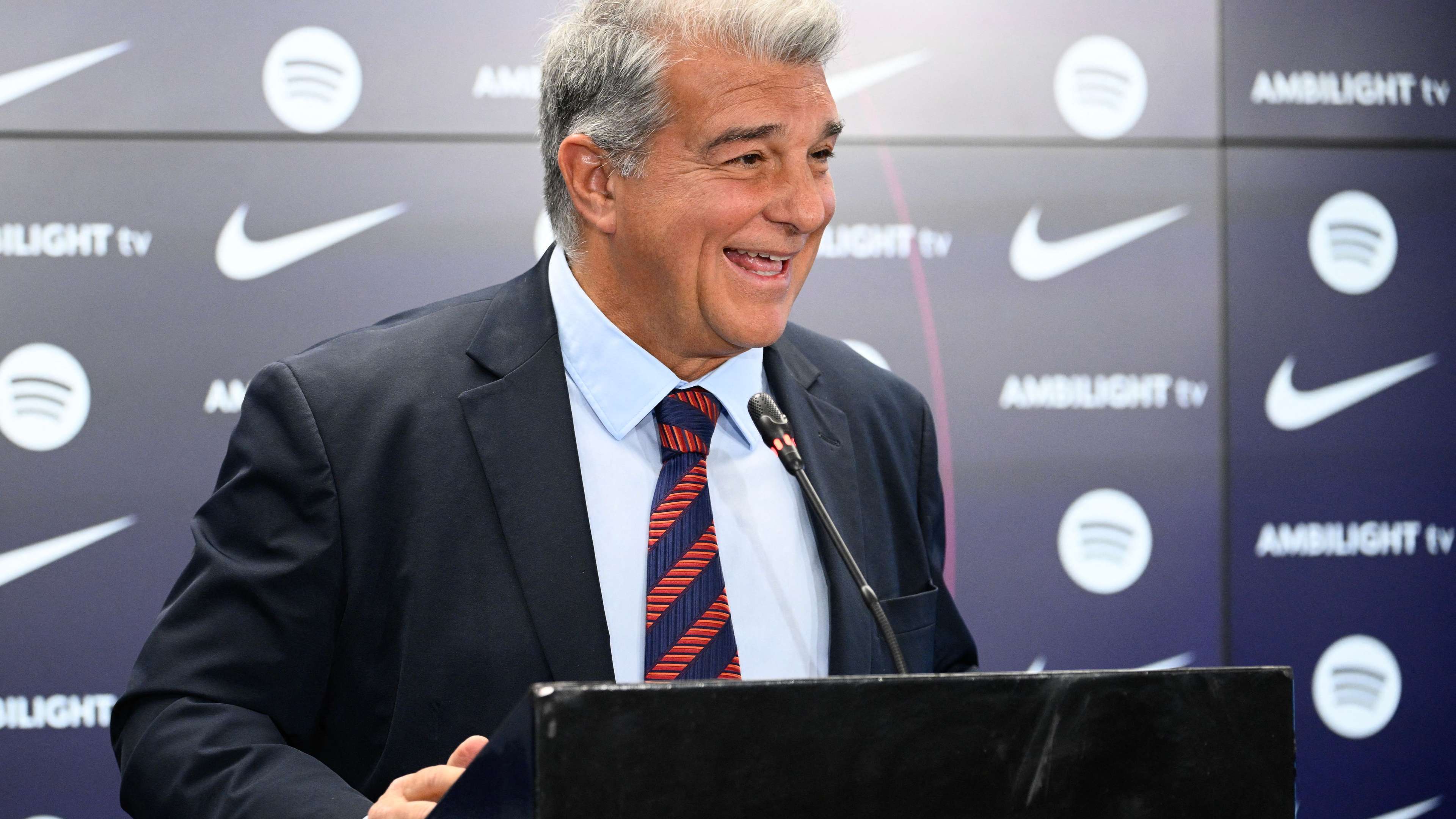
Controversy surrounding Kylian Mbappé’s early penalty in Real Madrid’s 3-0 victory over Racing Santander has intensified after Barcelona president Joan Laporta responded to questions about the decision with pointed silence. Rather than offer a public opinion, Laporta gave reporters a sarcastic look, got into his car and drove away—an understated reaction that quickly became part of the wider football debate.
The incident has divided supporters and prompted sharp criticism in the Catalan press. While Real Madrid converted the spot kick and went on to secure a comfortable win, questions remain over whether the contact on Mbappé was enough to justify a penalty. The episode has also renewed discussion about how VAR should intervene in close calls and whether the technology is delivering greater consistency in Spanish football.
A question Laporta chose not to answer
Laporta was approached on Monday as he left the opening ceremony of the “Kings of the World” exhibition at Barcelona City Hall. Organised by the Royal Spanish Football Federation, the exhibition celebrates Spain’s national-team title under coach Luis de la Fuente.
A journalist asked the Barcelona chief about the penalty awarded to Mbappé against Racing. Laporta did not respond verbally. His expression appeared to convey scepticism, but he offered no explanation before getting into his car and leaving.
The silence did not settle the matter. Instead, it added a fresh talking point to a controversy already drawing attention from fans, commentators and Spanish sports newspapers. Laporta’s reaction may have been brief, but it was widely interpreted as a sign of his displeasure with the decision.
What happened at El Sardinero?
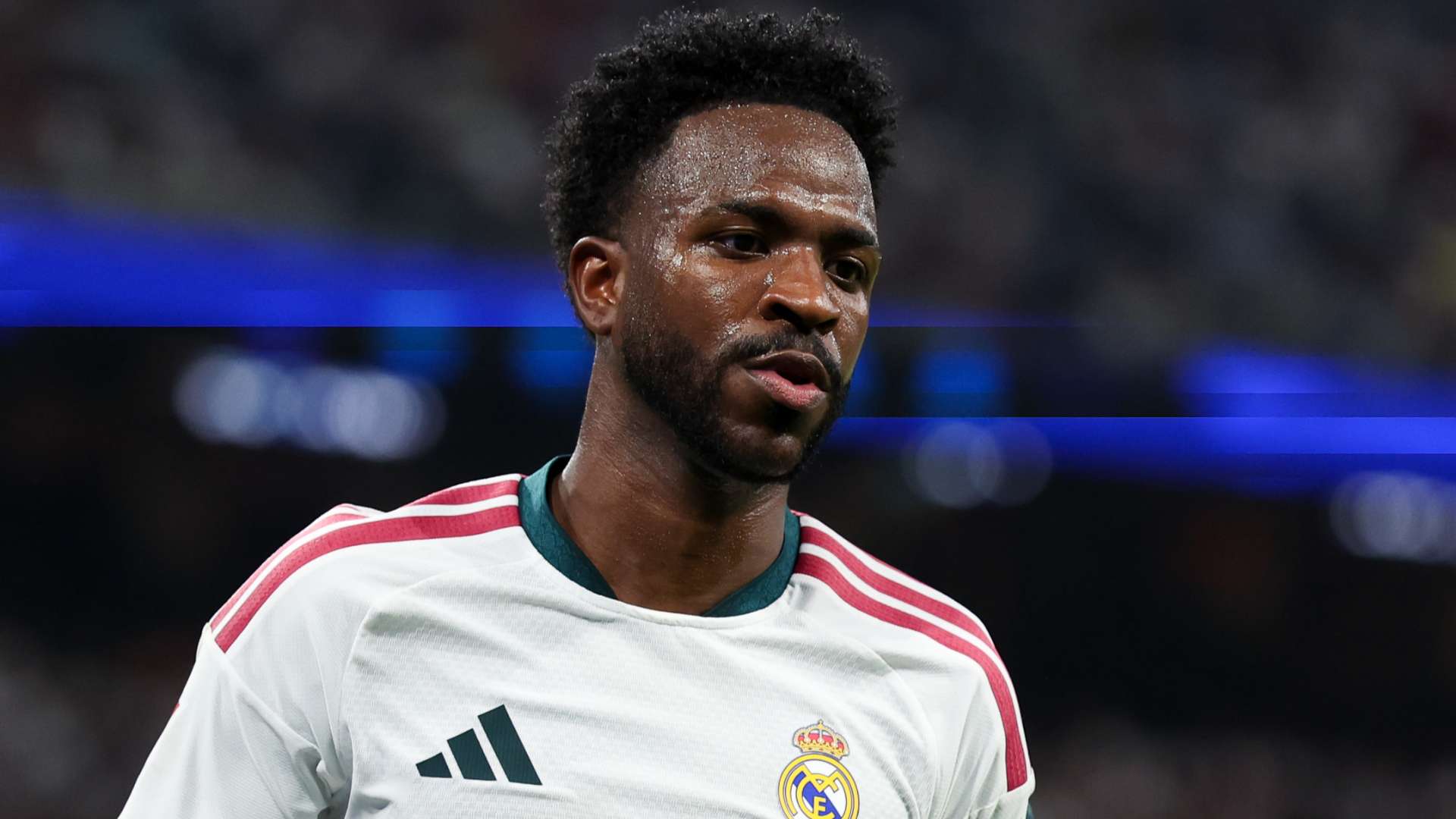
The key moment came in the 10th minute at El Sardinero. Mbappé moved past Racing defender Prati inside the penalty area, and referee Munuera Montero awarded Real Madrid a spot kick after the forward went down during the challenge. Racing’s players protested immediately, arguing that the contact was too slight to warrant a foul.
Mbappé took the penalty a minute later and struck a powerful shot to the right of goalkeeper Aguirrezabala. The goal gave Real Madrid an early lead and helped set the tone for a match they eventually won 3-0.
However, the outcome did little to quiet the arguments over the call. The central question is not whether contact occurred, but whether it was significant enough to cause a foul. In penalty-area decisions, referees must judge the nature, force and effect of a challenge—a difficult task when players are moving at speed and even minimal contact can disrupt balance.
Catalan newspapers criticise the call
Catalan media outlets were especially critical. Sport led with the headline “Scandal at El Sardinero! The anger over Mbappé’s controversial penalty,” arguing that the contact on the French forward was minimal. Its coverage focused on the decision to award the penalty after the incident was reviewed through VAR.
Mundo Deportivo went further, describing Real Madrid’s opener as a “ridiculous penalty.” The newspaper characterised Prati’s action as little more than a light touch of his arm against Mbappé’s chest before the forward fell inside the area.
According to the report, video assistant referee Mila Alfíndez did not identify a clear and obvious error that required Munuera Montero to visit the pitchside monitor. That detail has become central to the debate: some critics question why the referee’s original decision stood, while others argue that VAR should not intervene unless the evidence clearly overturns the on-field call.
VAR and the challenge of consistency
VAR is intended to correct clear mistakes in major match-changing moments, including penalties. It is not designed to re-referee every challenge or eliminate all disagreement. That distinction can be difficult for supporters to accept, particularly when a decision leads directly to a goal and the replay appears open to more than one interpretation.
In this case, the process has become almost as contentious as the decision itself. Critics have focused on the apparent lightness of the contact and the fact that the referee awarded a penalty. Others may point to the challenge’s timing, Mbappé’s movement and the referee’s view of the incident as factors that shaped the call.
Close decisions are also judged through different lenses depending on the teams involved. A penalty awarded to Real Madrid can quickly become a national talking point, while Barcelona’s president is likely to face questions about any high-profile call involving the club’s principal rival. That rivalry does not prove that the decision was wrong, but it helps explain why the reaction has travelled beyond the match itself.
Why the incident matters beyond one match
Real Madrid’s 3-0 win remains the result, and Mbappé’s penalty was the game’s opening goal. Yet controversial calls can shape how a performance is remembered, especially when they arrive early and influence the match’s momentum. For Racing, the decision brought immediate frustration; for Madrid, it provided a platform to take control.
The episode also offers a reminder that football prediction and match analysis involve more than assessing a team’s attacking quality or defensive record. Refereeing decisions, VAR protocols and the emotional response of players and supporters can all affect the rhythm of a game. A penalty may alter the scoreline, the tactical approach and the pressure on both sides, even when the final margin appears convincing.
Laporta’s response has added another layer to the story, but his silence should not be mistaken for a formal statement or a detailed assessment of the referee’s work. For now, the debate rests on the available footage, the referee’s judgment and the competing interpretations offered by the media.
What remains clear is that Mbappé’s early spot kick has become one of the most discussed moments of Real Madrid’s win. Whether fans see it as a justified penalty or an overly generous decision, the controversy has renewed calls for greater clarity and consistency in how VAR handles close challenges across Spanish football.