
Rodrigo’s First Barcelona Goal Helps Rewrite a 76-Year La Liga Record
Barcelona’s visit to Real Betis produced more than a commanding moment on the pitch. Rodrigo’s first goal for the Catalan club helped underline the scale of their attacking start to the La Liga season, as the team reached a scoring milestone not seen in more than seven decades.
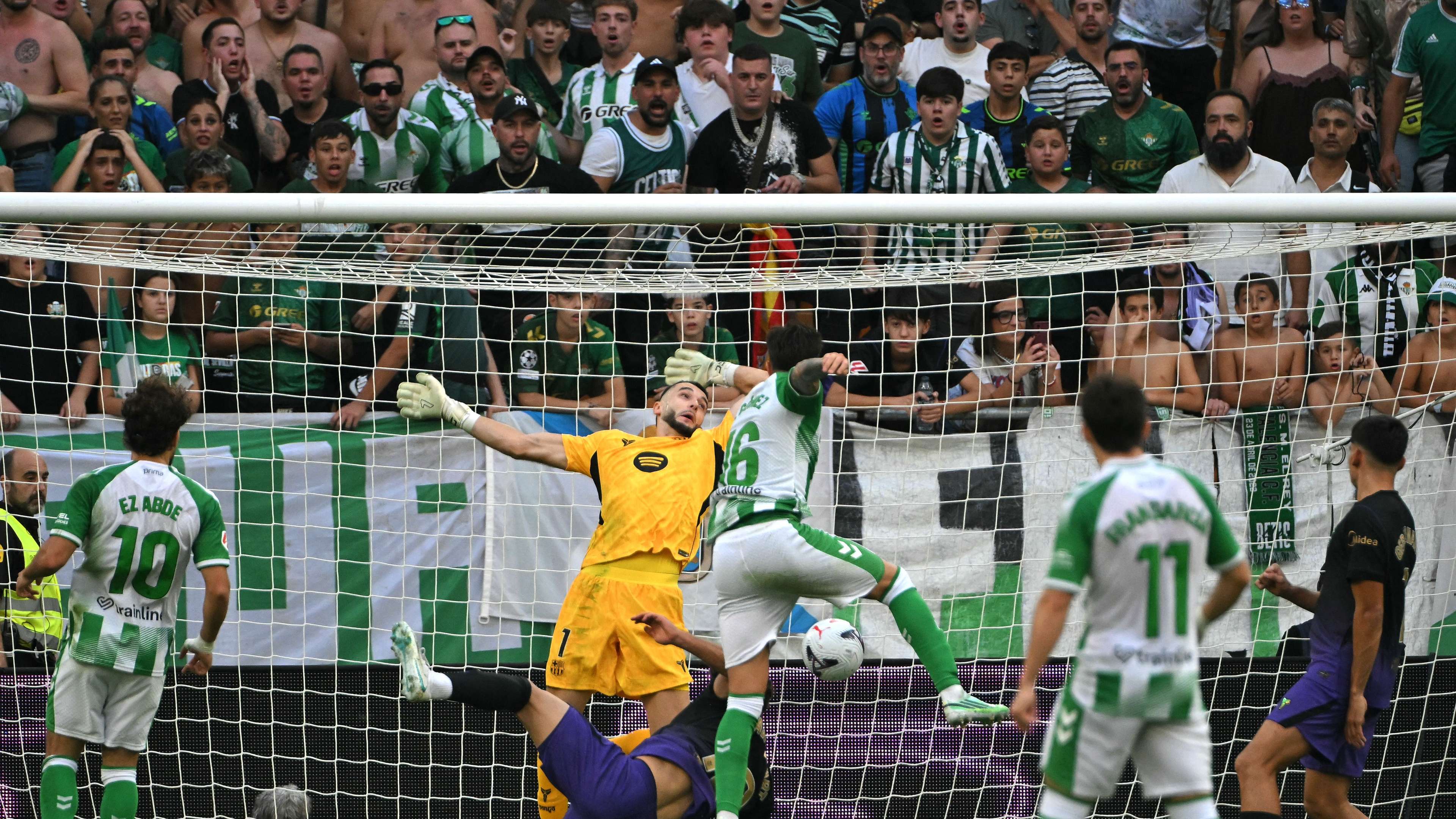
The Spanish midfielder struck in the 41st minute at the Benito Villamarin, heading in a corner delivered by Fermin Lopez to put Barcelona 2-0 ahead. It was Rodrigo’s first goal since joining from Manchester City during the summer transfer window—and it arrived in his 10th appearance for the club.
A milestone goal for Rodrigo
Rodrigo’s finish was a straightforward but important reward for his patience. Having settled into a new team and adapted to Barcelona’s demands, he found the net at a key point in the match, giving the visitors a stronger grip before half-time. His goal also showed the value of Barcelona’s set-piece work, with Lopez’s delivery finding the midfielder in a position to attack the ball.
For supporters, a first goal can offer a useful glimpse of how a new signing may contribute beyond his usual role. Rodrigo is known primarily for his work in midfield, but his timing and movement into the penalty area gave Barcelona another threat. Goals from players across the team can make an attack harder to predict, especially when opponents focus on containing the club’s more established forwards.
Barcelona’s scoring pace recalls the 1950-51 season
The goal also carried historical significance. Rodrigo’s strike was Barcelona’s 36th in La Liga after just nine rounds. According to Stats du Foot, no team had reached that total—or scored more—at this stage of a Spanish top-flight season since Barcelona themselves registered 37 goals after nine matches in 1950-51.
That comparison places the current side among the club’s most prolific early-season teams. It does not, by itself, predict how the campaign will finish: a strong opening can be affected by injuries, fixture congestion and changes in form. But scoring 36 times in nine matches is a clear sign of attacking consistency. Barcelona have not relied on a single narrow result to build their total; their goals have accumulated across a run of league performances.
The figure averages four goals per game, a rate that naturally draws attention from football fans and analysts. It also offers a useful measure of the challenge facing Barcelona’s upcoming opponents. Teams preparing for the Catalans must consider not only how to limit chances, but how to cope with pressure from multiple attacking players and the threat of goals from set pieces.
What the record says—and what it does not
Historical statistics provide context, rather than a guarantee. Barcelona’s 1950-51 side reached 37 goals in its first nine league fixtures, and the present team has come close to that mark. The comparison highlights the current attack’s productivity, but the two seasons belong to different eras of Spanish football, with different tactical trends and competitive conditions.
Even so, the record gives the early campaign an added dimension. Barcelona are not simply collecting points; they are doing so while scoring at a pace rarely seen in La Liga history. For the coaching staff, that output may reflect the squad’s ability to create chances in several ways, including open play, combinations around the box and deliveries from dead-ball situations.
Another landmark was within reach
Barcelona began the Betis match with eight consecutive league victories. A win in Seville would therefore have extended their perfect start to nine matches, making them the first team to win their opening nine La Liga fixtures since Real Madrid achieved the feat in the 1968-69 season.
That possibility added extra interest to the fixture. A long winning run can build confidence and strengthen a team’s position in the title race, but it also brings pressure: every match becomes an opportunity to protect a record. Against Betis, Barcelona had to balance the desire to continue their streak with the need to manage a difficult away assignment.
For fans considering a football prediction, the numbers made Barcelona’s attacking form difficult to ignore, while the historical milestones offered a compelling storyline. Still, records and recent results are only part of any assessment. The quality of the opposition, player availability and the demands of the schedule all matter when judging what may come next.
Looking ahead for Barcelona
Rodrigo’s breakthrough could become a useful boost as Barcelona move into a busy run of fixtures. The club’s upcoming schedule includes European competition, with a Champions League meeting against Olympique Marseille listed for October 21, followed by another fixture against Olympiacos on October 22. The compressed sequence makes squad depth and recovery especially important.
For Rodrigo, the goal may help build confidence and strengthen his place in the team’s plans. For Barcelona, it added another contributor to a remarkable scoring run and brought a long-standing statistical benchmark back into view. The season remains young, but the combination of a perfect league start, prolific finishing and a historic goal tally has made the Catalans one of the most compelling teams to watch.
Whether Barcelona can maintain this pace will be one of La Liga’s central questions in the weeks ahead. For now, Rodrigo’s first goal has secured a memorable personal milestone—and helped place the club’s latest campaign in conversation with one of its most productive seasons of the past.