
Daouda Weidmann: From Paris’s Banlieues to FC Twente’s Breakthrough Star
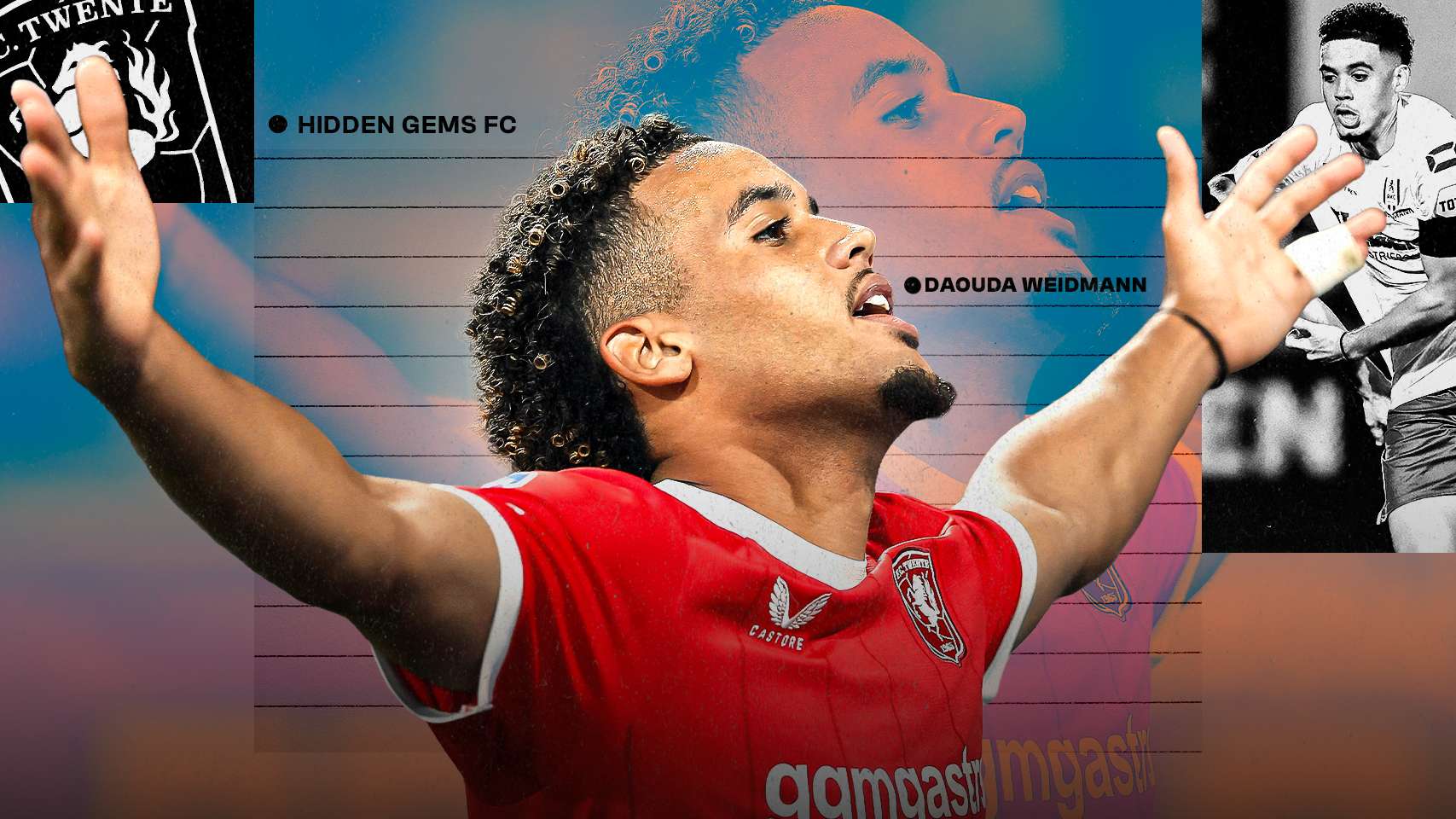
When Daouda Weidmann arrived in the Netherlands, few football fans knew his name. The French midfielder had spent time at Paris Saint-Germain and Torino, but injuries and limited opportunities kept him out of the spotlight. Now, at FC Twente, he is turning promise into performances—and making himself one of the Eredivisie’s most intriguing emerging players.
Weidmann’s rise is also part of a much bigger story: the extraordinary football culture of Paris and its suburbs. In our Hidden Gems series, we explore how a young player shaped by the banlieues found his way through setbacks to a growing role at one of the Netherlands’ best-supported clubs.
Why Paris Keeps Producing Football Talent
Paris is celebrated for its art, fashion and landmarks, but it is also one of football’s most productive talent centres. The wider Île-de-France region has developed generations of professional players, including global stars such as Kylian Mbappé, Paul Pogba and Ousmane Dembélé. Its influence is visible across the French national team and in leagues throughout Europe.
Several factors help explain the region’s remarkable output. The Paris area is densely populated, bringing large numbers of young players into close contact with one another. Local clubs compete for talent, while children encounter a variety of playing styles and footballing influences. That environment can sharpen technique, encourage improvisation and make competition intense from an early age.
Hubert Fournier, technical director of the French Football Federation, has described the region as an unusually concentrated pool of ability. Communities with roots in countries including Algeria, Senegal, Mali and Morocco have also helped shape the area’s football identity. The result is a rich mix of cultures, experiences and approaches to the game.
Football is not simply an organised activity for many children in the banlieues. It is part of daily life: played after school, on local pitches, in parks and wherever a ball can be found. Former France midfielder Paul Pogba once captured the atmosphere by saying that football seemed to be everywhere. For ambitious young players, the sport can also represent a route to security and opportunity—a motivation that may bring exceptional commitment, but also significant pressure.
Growing Up in the Banlieues
Weidmann was born in Paris’s 19th arrondissement and later grew up in the suburbs. His family background is mixed: his mother is German, and he carries her surname. He has said that his father was not part of his life during his earliest years and became involved when Weidmann was four.
As a child, he spent countless hours playing football with other boys from the neighbourhood. The games could be informal, but the competition was real: one local area against another, with talented players everywhere. Weidmann remembers facing opponents who seemed more gifted than he was. Those experiences helped him develop resilience and learn to adapt quickly—qualities that would become important throughout his career.
At 12, he joined PSG’s youth academy, stepping into a demanding environment where standards were exceptionally high. The opportunity brought him closer to professional football, but it also came with personal costs. He missed his family, endured injuries and found the disruption of the Covid period difficult. At times, he questioned whether the sacrifices were worth it.
His persistence eventually brought him into contact with some of the biggest names in the sport. Training alongside Lionel Messi, Mbappé, Neymar and Sergio Ramos was a remarkable experience for a young player who had once watched them on television. But being around stars did not guarantee a place in PSG’s first team. The pathway from the academy to senior football at a club of that scale is notoriously narrow.
From Torino to RKC Waalwijk
When a first-team breakthrough at PSG did not materialise, a loan to a lower-division French club appeared to be one possible route. Then Torino entered the picture. Weidmann moved to Italy hoping to take the next step, but the arrangement failed to provide the clear opportunity he wanted. He has described receiving encouraging words and promises without seeing a concrete plan for his development.
RKC Waalwijk offered a different possibility. The Dutch club was not a familiar name to him, but its place in a league respected for developing technical players caught his attention. He accepted the move and began building a career away from the attention surrounding PSG.
His first spell in the Netherlands did not make him an overnight sensation. Weidmann acknowledges that he had not produced eye-catching goal or assist totals, and a serious abdominal injury kept him out from November until May during the 2024–25 season. RKC’s difficult results also made it harder for individual players to attract attention. His time in Waalwijk was therefore a period of learning and recovery, rather than a straightforward launch into stardom.
FC Twente’s Call—and a Defining Moment
That context helps explain why Weidmann was surprised when FC Twente showed interest. The midfielder wondered how a club of Twente’s stature could be considering him after a season in which he had played relatively little. The transfer nevertheless gave him a fresh platform—and he has made the most of it.
At Twente, Weidmann has begun to turn his technical ability and energy into decisive contributions. Across his first 16 appearances, he was involved in 11 goals, recording five goals and six assists. Those figures have helped transform him from an unfamiliar signing into a player supporters at the Grolsch Veste are eager to watch.
One moment in particular captured his growing confidence. Collecting the ball just outside his own penalty area, Weidmann drove forward, evaded the PSV defence and finished calmly to secure a crucial win. The long, determined run drew an excited reaction from the Dutch broadcast commentary, with the move described as worthy of a place in the FC Twente museum.
The goal was more than a highlight. It showed how Weidmann can influence a match through ball-carrying, acceleration and composure under pressure. For Twente, those qualities offer a useful attacking outlet, especially when opponents leave space behind their midfield. His progress will depend on staying fit and sustaining his output, but his early impact has already made him a player to monitor in the Eredivisie.
What Comes Next for Weidmann?
Weidmann’s journey has taken him from Parisian street football to PSG’s academy, through an uncertain spell in Italy and into the Dutch game. It has not been a direct route, and that may be precisely why his story resonates. He has had to manage setbacks, unfamiliar environments and doubts about whether professional football would work out.
His ambition remains substantial: he wants to represent France. Reaching the national team is a long-term challenge, particularly given the depth of talent available to French coaches. Still, consistent performances at Twente would strengthen his case and bring him wider attention.
For now, the most important prediction is that Weidmann’s best football may still be ahead of him. If he can maintain his fitness, keep contributing in the final third and continue adapting to the demands of the Eredivisie, FC Twente could prove to be the stage that finally brings his talent into full view. The once-overlooked midfielder is no longer just another name from Paris’s vast football pipeline—he is beginning to write a story of his own.